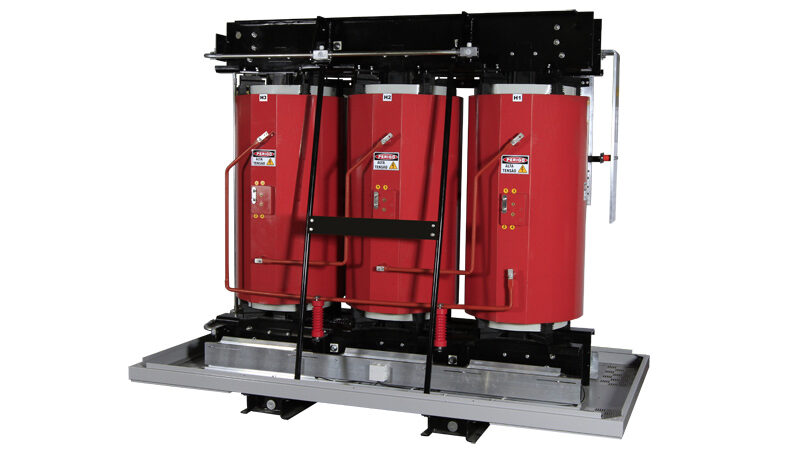
Efficient Transformers: The Path to Energy Sustainability
In a world where energy efficiency is increasingly valued, transformers play a crucial role in optimizing the use of electrical energy. In this article, we explore the importance of transformer energy efficiency and how it contributes to the environmental and economic sustainability of industrial operations.
To understand the relevance of energy efficiency, we contextualize the concept and its importance in reducing energy consumption and carbon emissions. We also discuss the characteristics and technologies that make transformers more efficient, such as high permeability cores and low resistance windings.
The economic benefits of efficient transformers are significant, as they reduce companies' operating costs, resulting in substantial long-term savings. Furthermore, we highlight the role of these transformers in promoting sustainability by reducing energy waste and decreasing the carbon footprint of industrial operations.
We also address government regulations and financial incentives available to promote the adoption of efficient and sustainable transformers. These policies drive the transition to a cleaner and more efficient energy system, while helping companies adapt to the demands of an increasingly sustainability-conscious market.
In summary, efficient transformers are fundamental to promoting the energy and economic sustainability of industrial operations. By investing in technologies that maximize energy efficiency, companies can reduce costs, minimize environmental impacts, and strengthen their competitiveness in the global market, thus contributing to a more sustainable future for all.


 Português do Brasil
  English
  Español