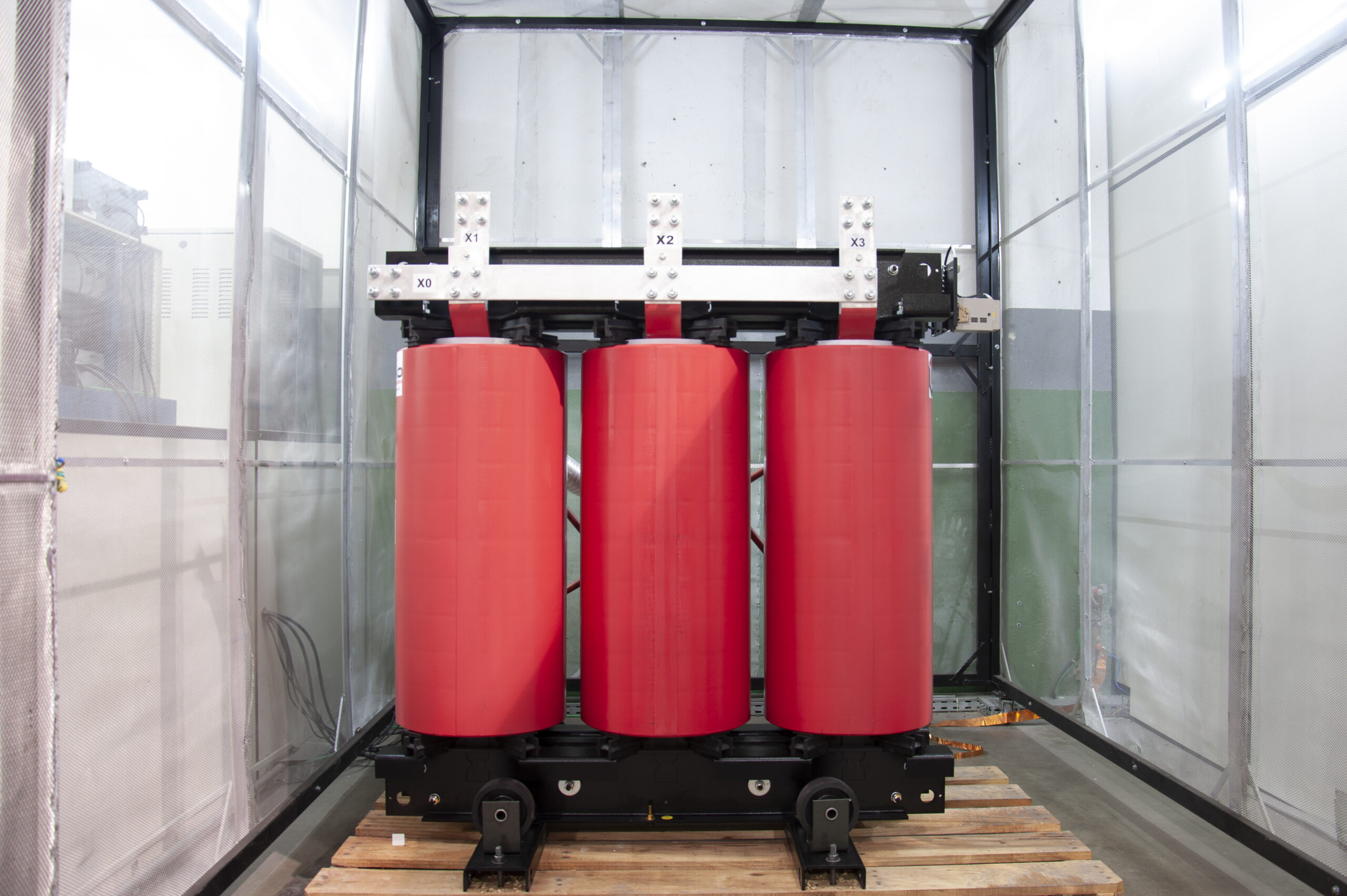
High-Voltage Transformers: Applications and Precautions
Electrical energy is one of the vital forces driving our modern society, and transformers play an essential role in its transmission and distribution. Among the different categories of transformers, high-voltage transformers are particularly crucial for handling industrial-scale and high-power energy demands. In this article, we will explore the common applications of high-voltage transformers and the necessary precautions to ensure their safe use.
High Voltage Transformer Applications
High-voltage transformers are designed to operate with very high electrical voltages, generally exceeding 35 kV (kilovolts). Their applications are varied and include:
1. Power Transmission:
High-voltage transformers play a crucial role in transmitting electrical power over long distances, reducing energy losses during transport. They increase voltage before sending and decrease it again upon arrival at substations.
2. Power Distribution in Large Urban Centers:
In densely populated urban centers, where energy demand is high, high-voltage transformers are used to increase distribution efficiency and minimize voltage drops in large-scale systems.
3. Heavy Industry:
Industrial sectors that demand large quantities of energy, such as steelmaking, metallurgy, and petrochemicals, use high-voltage transformers to supply the necessary power for their processes.
4. Power Generation in Electric Power Plants:
In power plants, high-voltage transformers are used to step up the voltage of the generated electricity before it's sent to the transmission grid.
Precautions and Safety Measures
The use of high-voltage transformers involves significant safety risks due to the high voltages involved. Here are some critical precautions and safety measures:
1. Training and Certification:
The team that handles high-voltage transformers must receive adequate training and certification to ensure they understand the risks and know how to operate the equipment safely.
2. Isolation and Safety Barriers:
High-voltage transformers must be adequately insulated and surrounded by safety barriers to prevent accidental contact.
3. Regular Maintenance:
Preventive maintenance is essential to ensure the safe operation of high-voltage transformers. Any wear, leakage, or problem should be addressed immediately.
4. Personal Protective Equipment (PPE):
Workers dealing with high-voltage transformers must use appropriate PPE, including insulating gloves, helmets, and protective clothing.
5. De-energization Procedures:
Before performing any maintenance or repair work, it is essential to de-energize the transformer and follow strict safety procedures.
6. Continuous Monitoring:
The installation of continuous monitoring systems can help detect potential problems before they become critical.
Conclusion
High-voltage transformers are fundamental for the efficient, large-scale transmission of electrical energy, but their use involves substantial risks. Therefore, it is imperative that stringent safety measures are implemented at all stages of handling and operating these transformers. Education, certification, continuous training, and investment in preventive maintenance are key components to ensure these pieces of equipment are used efficiently and safely in industrial and power distribution applications. Adherence to safety precautions is essential for maintaining a safe working environment and protecting human lives.

 Português do Brasil
  English
  Español