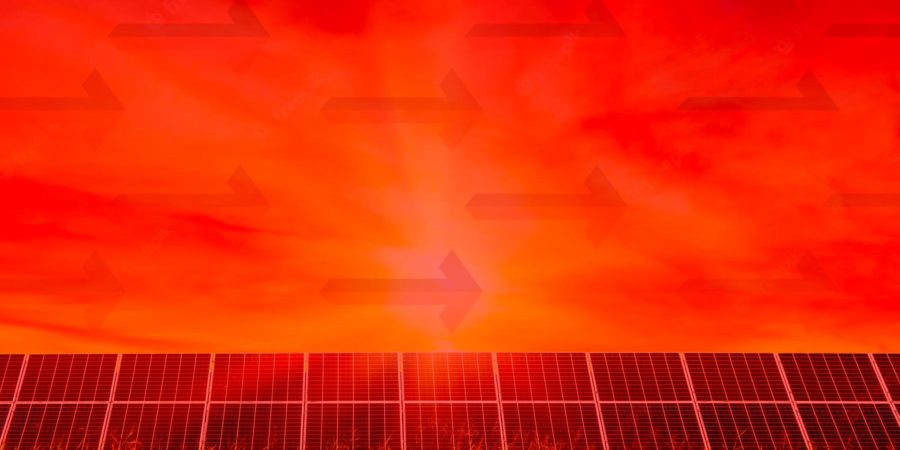
Transformers and Renewable Energy Generation
Transformers are electrical devices that transfer electrical energy from one voltage to another. They are used in a variety of applications, including power generation, transmission, and distribution.
In renewable energy generation, transformers are used to step up the voltage of electricity generated by renewable sources like solar panels and wind turbines. This is necessary so that renewable energy can be transmitted and distributed to the electrical grids.
Transformers are essential for renewable energy generation. They allow renewable energy to be transmitted and distributed efficiently and effectively.
The benefits of transformers for renewable energy generation
Transformers offer a number of benefits for renewable energy generation. These benefits include:
Efficiency: Transformers can increase the efficiency of renewable energy generation by transferring electrical energy from one voltage to another. This can help reduce energy losses.
Reliability: Transformers can help improve the reliability of renewable energy generation by providing a stable and dependable power source.
Cost: Transformers can help reduce the cost of renewable energy generation by enabling renewable energy to be transmitted and distributed to power grids.
The future of transformers for renewable energy generation
As demand for renewable energy continues to grow, transformers will play an even more important role in renewable energy generation. Modern transformers are being developed with more advanced technologies that make them more efficient, reliable, and affordable. This is helping to make renewable energy more competitive with traditional energy sources.
Transformers are an essential part of the future of renewable energy generation. They will allow renewable energy to be efficiently and effectively transmitted and distributed, helping to reduce greenhouse gas emissions and protect the environment.
 Português do Brasil
  English
  Español