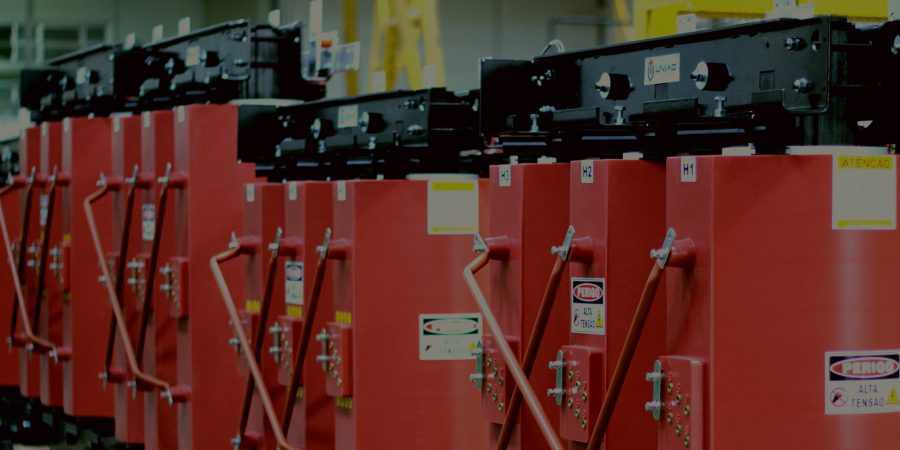
Transformers and Electrical Power Quality Control: A Fundamental Partnership
The quality of electrical power is a growing concern for both residential consumers and businesses. Voltage fluctuations, surges, harmonics, and other disturbances in the power grid can cause damage to sensitive equipment and affect energy efficiency. In this context, transformers play a fundamental role in maintaining the quality control of electrical power. In this article, we will explore how transformers contribute to ensuring a reliable and high-quality source of electrical energy.
Understanding Electrical Power Quality
The quality of electrical energy refers to the compliance of electrical energy with the established specifications and standards for its supply. It encompasses various aspects, including:
Stable Voltage: The electrical voltage supplied must be stable and within acceptable limits to ensure the proper functioning of electrical equipment.
Consistent Frequency: The frequency of electrical energy (usually 60 Hz or 50 Hz, depending on the region) must be maintained at adequate levels to avoid problems with electrical devices.
Absence of Harmonics: Harmonics are distortions in the electric current's waveform that can affect sensitive devices, such as computers and automation equipment.
Surge Protection: Voltage surges can cause serious damage to equipment. A power quality control system should be able to mitigate these surges.
Transformers and Electrical Power Quality Control
Transformers are key components in the quality control of electrical power for several reasons:
Electrical Isolation: Transformers electrically isolate the input circuits from the output circuits. This protects against surges and other disturbances by preventing them from propagating and affecting sensitive devices.
Harmonic Suppression: In industrial and commercial systems, special transformers, such as those with ferrite cores, can be used to suppress harmonics, helping to maintain a cleaner current waveform.
Choosing the Right Transformer
To ensure the quality control of electrical power, it is important to choose the right transformer for your application. Consider the following factors:
Power Capacity: Ensure the transformer has adequate power capacity to support the electrical load that will be connected to it.
Efficiency: Choose transformers that are efficient to minimize energy loss.
Standards and Certifications: Check if the transformer meets relevant quality and safety standards and certifications.
Conclusion
Transformers play an essential role in electrical power quality control, ensuring reliable and safe delivery. By choosing the appropriate transformer and implementing suitable monitoring and protection systems, it's possible to maintain electrical power quality at optimal levels, preventing damage to equipment and ensuring the efficient operation of electrical systems. Thus, transformers become indispensable allies in the pursuit of high-quality electrical energy.


 Português do Brasil
  English
  Español