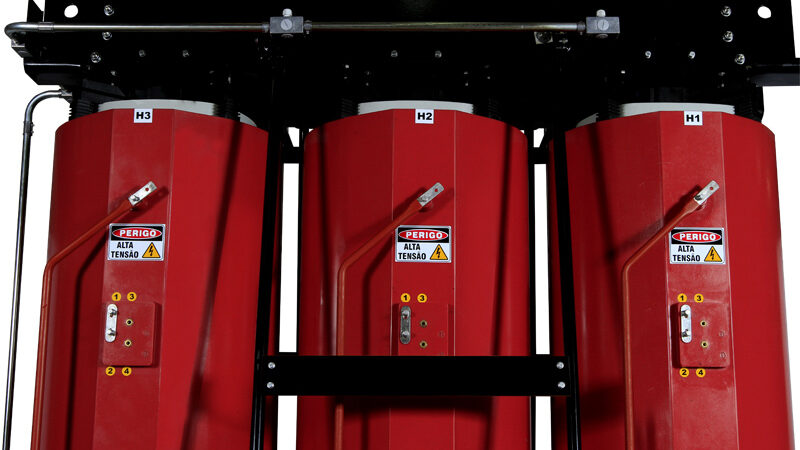
Transformers: Driving the Transition to a Sustainable Future
As concern about the impacts of climate change grows, the integration of renewable energy becomes not just a smart choice, but an urgent necessity. In this context, transformers emerge as key components in facilitating this transition to a more sustainable electrical system.
Renewable energies, such as solar and wind, have gained prominence as clean and abundant alternatives to fossil fuels. However, their intermittency and variability present significant challenges to the stability and reliability of the power grid. This is where transformers come into play, playing a crucial role in the harmonious integration of these energy sources into the existing infrastructure.
Transformers play several essential roles in this scenario. First, they facilitate the transition of energy generated by renewable sources, converting it to the appropriate voltage levels for distribution on the grid. Furthermore.
A crucial aspect of transformers is their contribution to energy efficiency. High-efficiency transformers can significantly reduce losses during the power conversion and distribution process, thereby maximizing the utilization of available renewable energy sources. This not only promotes environmental sustainability but also results in significant long-term cost savings.
Furthermore, companies play a key role in accelerating the transition to a more sustainable future. By investing in efficient and adaptable transformers, they not only reduce their carbon footprint but also strengthen their resilience and competitiveness in the emerging renewable energy market.
In summary, transformers represent a fundamental piece of the energy transition puzzle. By facilitating the integration of renewable energies into the power grid, they play a crucial role in building a more sustainable and resilient future for all.


 Português do Brasil
  English
  Español