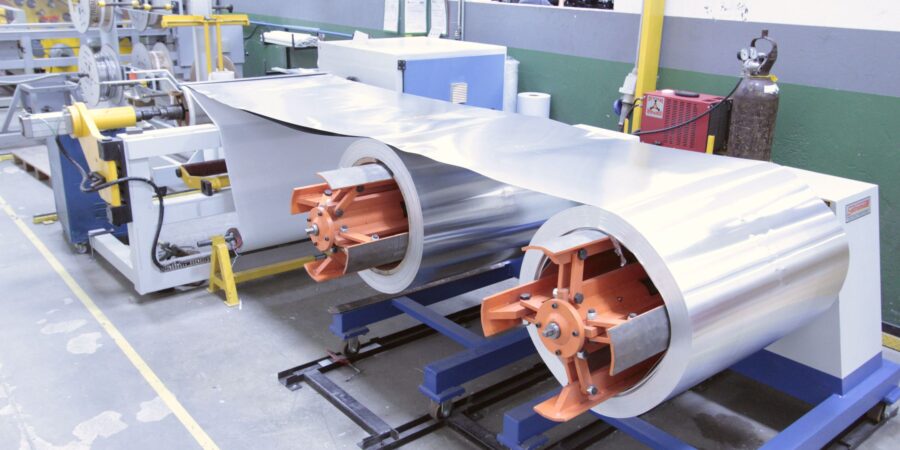
União Transformers Manufacturing Process
In the electric transformer industry, the quality and efficiency of the manufacturing process are crucial to ensure reliable equipment performance. In this article, we will explore the industrial transformer manufacturing process here at Transformadores União, highlighting each fundamental step. Check it out:
1. Design and Engineering:
Before starting manufacturing, it is essential to create a detailed transformer design. This includes electrical specifications, material sizing, and thermal and magnetic analysis. Specialized engineers use advanced software to optimize the design, ensuring energy efficiency and reliability.
2. Material Selection:
The quality of materials is crucial to the transformer's durability. From the magnetic core to the copper/aluminum windings, each component is chosen based on rigorous criteria. Careful material selection contributes to the transformer's energy efficiency and strength.
3. Core Fabrication:
The magnetic core is often constructed with silicon steel laminations to reduce energy losses. The core assembly process is highly precise, involving the orderly stacking of laminations to form a robust and efficient unit.
4. Winding:
The windings, typically made of copper or aluminum, are carefully positioned in the coils. This process requires technical skill to ensure proper electrical current distribution and minimize energy loss.
5. Isolation:
Insulation is applied to protect the windings and prevent short circuits. Insulating materials such as dielectric oil, epoxy resin, or insulating paper are used to ensure the safety and durability of the transformer.
6. Assembly and Testing:
After the individual parts are manufactured, the transformer is assembled, and quality tests are performed. Resistance, efficiency, insulation, and load tests ensure that the final product meets performance and safety standards.


 Português do Brasil
  English
  Español